Driving Guide
Mastering the Art of Driving: 10 Tips for Perfecting Manual Car Control
Essential Driver Training, pretest preparation and beginner-friendly lessons across Dublin.
A manual car is three pedals and a stick, and the whole difficulty is your left foot. Master the clutch and everything else is just practice. Fight the clutch and you'll kangaroo down the road for a month.
If you learn and pass in a manual you can drive anything. Learn in an automatic and you're licensed for automatics only. That's the trade, and it's worth knowing before you start. There's a fair case for an automatic for some people, but if you want the full licence, the manual is the road in.
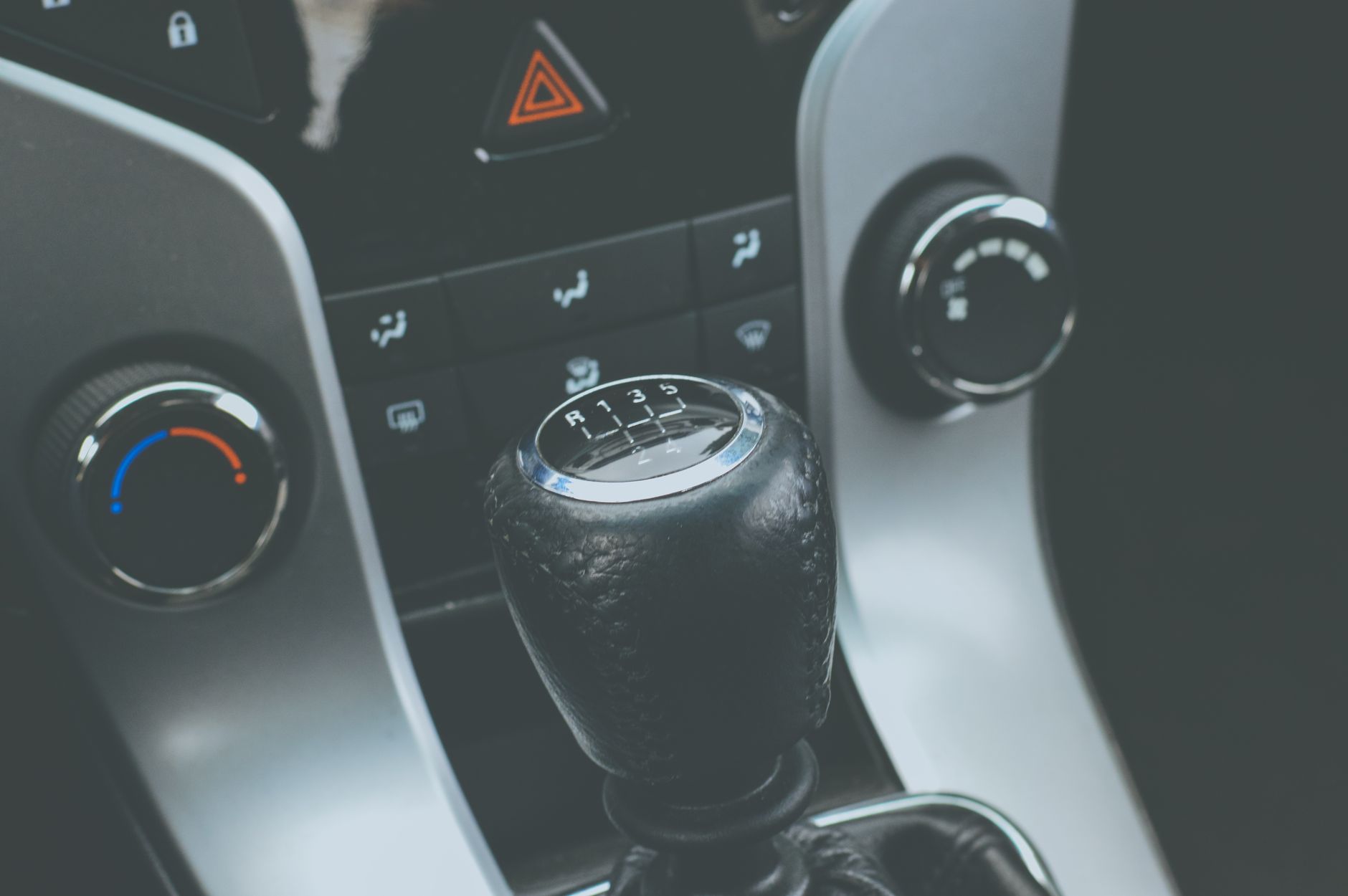
What the clutch actually does
The clutch connects the engine to the wheels and lets you disconnect them smoothly. The bite point is the moment they start to talk to each other. Find it slowly, hold it, and you move off clean. Drop it, and you stall or lurch. Ninety per cent of manual driving is respect for that one pedal.
The controls, plainly
Left foot is the clutch, and only the clutch. Right foot does the brake and the accelerator, never both at once. The stick selects the gear once the clutch is down. Get those jobs cleanly separated in your head and your feet stop arguing.
Moving off without the kangaroo start
Clutch down, into first, a little gas held steady, then lift the clutch to the bite and feel the car settle. Ease off the handbrake, lift the last of the clutch gently, and go. The kangaroo start is just lifting the clutch faster than your gas can keep up. Slow the left foot down.
Changing gear on feel
Shift up as the engine gets busy and loud, down as it gets slow and lumpy. You'll learn the sound faster than any rev-counter number. Match the gear to the speed and the engine does the work smoothly. The fancy stuff, rev-matching and heel-and-toe, is for later and for racing. Get clean, ordinary changes first.
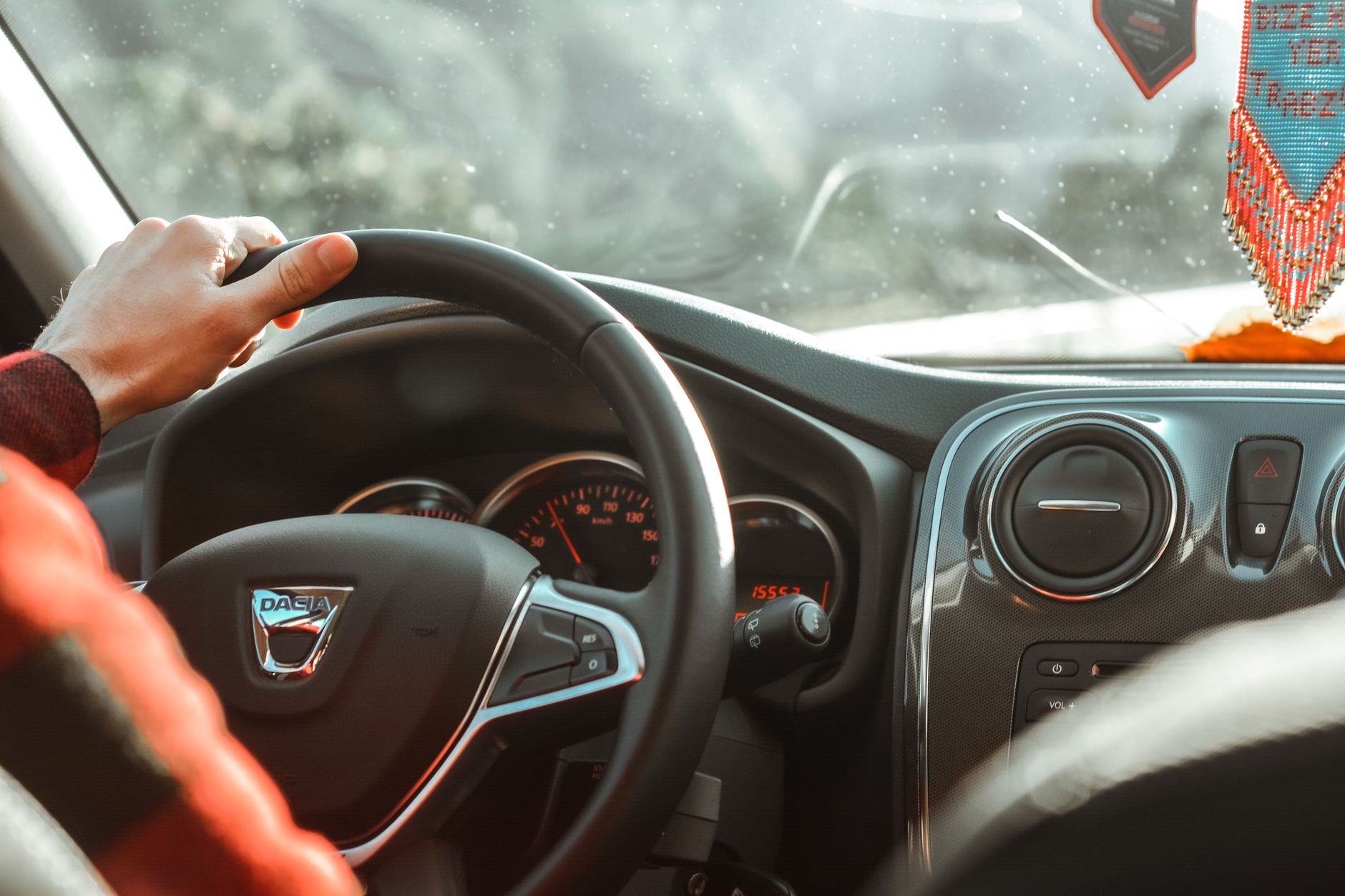
The hill start, where manuals are won or lost
Picture it. Third in the queue at a hill junction, handbrake on because you were taught right. Light goes green. You need bite point, gas, handbrake off, all inside about a second and a half, or the car rolls back into the fella behind you who's already regretting his life choices. Handbrake, bite, gas, gone. Practise it until it's boring.
Going down, stay in gear and let the engine brake for you instead of riding the pedal. In the wet, everything softer and earlier: gentler on the clutch, gentler on the gas, longer gaps. A manual gives you engine braking for free. Use it.
Kind to the clutch, kind to your wallet
Riding the clutch at every light, resting your foot on it as you drive, holding a hill on the bite instead of the handbrake. All of it burns the clutch out early, and a clutch is not a cheap part. Foot flat on the floor when you're not using it. Every one of these habits either builds smooth driving or an expensive repair, and the choice is made in your left foot. The wider set of good habits you build in different conditions starts right here, with the clutch.