Driving Guide
Parent Practice and Professional Lessons: Who Does What
Essential Driver Training, pretest preparation and beginner-friendly lessons across Dublin.
Family practice is not a cheaper lesson. It is a different job, and the two only work when neither one tries to do the other's. A lesson sets the standard, the exact way a thing has to be done to pass and to be safe. Practice banks the miles that make that standard hold when you are tired, rushed, or on a road you have never seen. Do you know why that split matters, or do you just know that people say practise a lot?
Get the division right and family hours are the most valuable thing a learner has going for them. Get it wrong and every practice run quietly unpicks the lesson it was meant to reinforce.
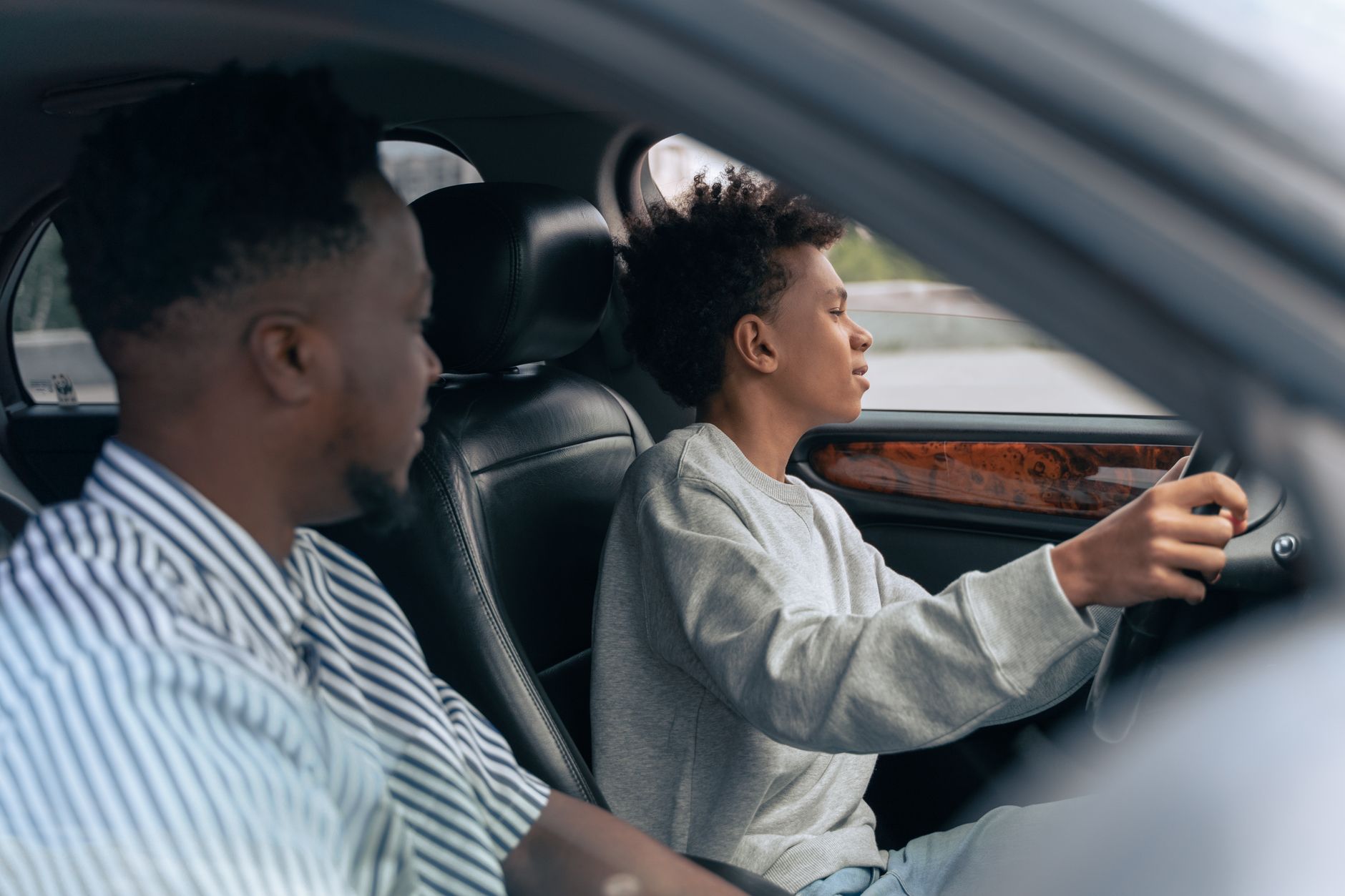
What the lesson owns
The method. How to hold the wheel through a turn, when the mirror check happens, how the observations run at a junction, what a safe gap actually looks like. There is the rule, and there is the reason for the rule, and a good lesson teaches both so the habit survives pressure. This is the part you slot around your booked Balbriggan lessons, not the part you invent in a car park.
What the practice owns
The mileage. Nobody becomes smooth at a hill start in one lesson. They become smooth after the twentieth, most of which happen with a parent in the seat and nothing new being taught. That repetition is the whole value of family practice, and it is the half no instructor's diary can give you. The more real road time, the more the mechanics sink into the background and the thinking rises to where the traffic is.
Where the two collide
The trouble is that a parent teaches how they drive now, and how they drive now has drifted. Thirty years alone with nobody marking anything, and a mirror check gets shorter, a hold gets lazier, a stop gets rolled. All normal to them. All faults to a tester. When the lesson says one thing and the parent's habit says another, the car turns into an argument, and the louder standard usually wins.
Ask what the method is for the thing you are about to practise, then hold to exactly that. If the lesson taught a mirror check before every move off, then every move off in the family car gets the same check, even if the parent stopped bothering years ago. The parent supervises the method. The parent does not get a vote on it. A check you drop in practice is a check you drop on the day.
The legal side, stated plainly
A learner needs a fully licensed driver beside them, L-plates front and back, and the learner permit valid and in the car. That accompanying driver is legally responsible for the car while the learner drives. It is not a licence to head out alone at seventeen. That is a serious offence, and the rules that look strict exist because the newest drivers are the most likely to be hurt, and the law is trying to change that.
What the standard measures
Point the practice at what the national driving test will actually ask for: the manoeuvres, the busier junctions, the roads you cannot rehearse into comfort. Build the habits that keep you safe and let the parent guard them rather than overwrite them. On the day you are not scored on how many miles you did with family. You are scored on whether the method holds on a road you have never met. Competent, or not yet. The practice decides which.