Driving Guide
Common Driving Mistakes and How to Avoid Them
Essential Driver Training, pretest preparation and beginner-friendly lessons across Dublin.
Nobody sets out to drive badly. They just repeat a small wrong thing until it's a habit, and then one day the small wrong thing meets a wet bend and a bus. Here are the ones I see most, and the fix for each.
These aren't beginner mistakes. Plenty of them belong to people who've held a licence twenty years and got quietly worse the whole time. That's the trap: real driving skill fades if you never check it against anyone who knows better.
Driving distracted
The phone is the obvious one, and it's a grade three every time. But distraction is also the sandwich, the radio you're fighting with, and the row you're having with the passenger. If your eyes or your head leave the road, the road doesn't wait for you to come back.
Set everything before you move. Phone on the dash mount and left alone. If it genuinely can't wait, it can wait in a lay-by.
Speeding, quietly
Not the boy-racer speeding. The two-notches-over-without-noticing speeding, on a road you know well, where familiarity has convinced you the limit is optional. Familiar roads are where locals crash, because attention drops when nothing looks new.
Failing to yield
Right of way is a thing you give, not a thing you take. Nudging out because you technically had priority is how you're technically correct in the back of an ambulance. At a junction, assume the other fella hasn't seen you until he proves otherwise.
Tailgating
The two-second rule that everyone knows and nobody keeps. Pick a marker, a sign or a gatepost, and count two seconds from the car ahead passing it. In the wet, make it four. If you can read the tax disc, you're too close to stop.
Ignoring signs and signals
An amber light means stop if you safely can, not floor it. A yellow box means don't enter unless your exit is clear. These aren't suggestions the council put up for decoration. Every one of them is there because something went wrong at that spot before.
Careless lane changes
Mirror, signal, blind spot, move. In that order, with a gap between each. The prayer merge onto a dual carriageway, eyes shut and hope in the heart, is the version of this that ends up on the news.
Driving impaired
Drink, drugs, and the prescription that says "may cause drowsiness" on the box you didn't read. The limit for a novice or learner driver is twenty milligrams, which is effectively nothing, and that's deliberate. Don't do the maths on how many you can have. The answer the law wants is none.
Driving tired
Same effect as drink, less warning. A microsleep at motorway speed covers the length of a football pitch with nobody driving. If you're yawning and drifting, you're already impaired. Stop.
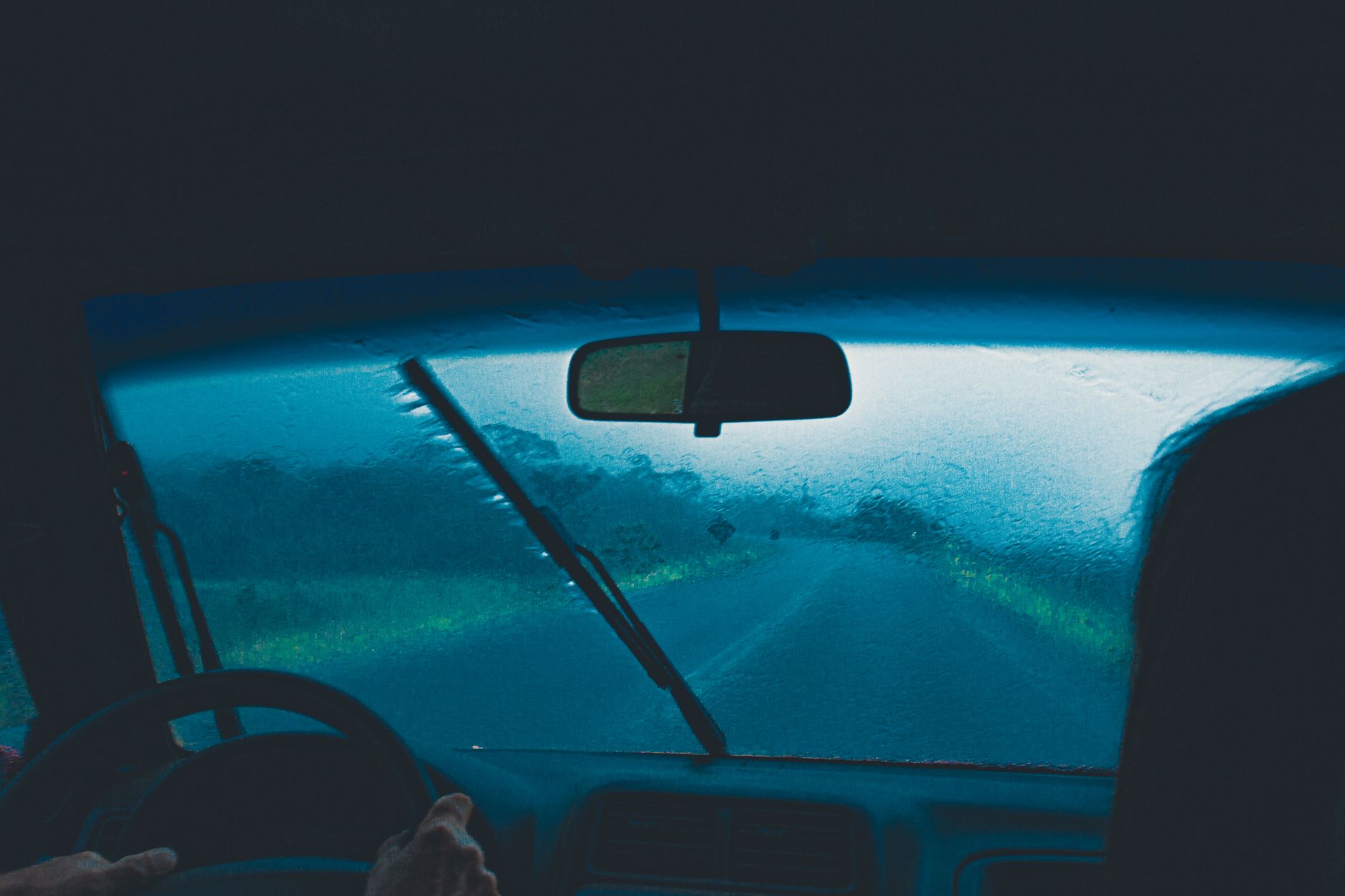
Not driving the weather you're in
The limit is a dry-day number. Rain, fog, ice and low winter sun all quietly lower it, and the car won't tell you. Wet roads double your stopping distance. Ice can multiply it by ten. Slow down before the bend, not in it.
Nearly all of these come down to one thing. You stopped leaving yourself room. Time, space or attention, pick the one you're short of and buy it back.
If you're only starting out, the good news is that habits are easiest to fix before they set. That's exactly why the structured route exists: it's cheaper and cleaner to learn the job properly from the start than to unpick a decade of small wrong things later.