Driving Guide
Lessons Learned from the Hilarious Driving Test Fails
Essential Driver Training, pretest preparation and beginner-friendly lessons across Dublin.
Everyone's heard the test-fail stories. Drove off with the tester's door still open. Turned the wrong way up a one-way and argued it was a shortcut. Funny, until you notice the same small failures behind nearly all of them, and none of them is a sense of humour.
I'll say up front what the stories won't: the fail almost never comes from the dramatic moment. It comes from the boring habit that set the dramatic moment up. If you want the plain version without the laughs, it's all in what the driving test is actually checking for.
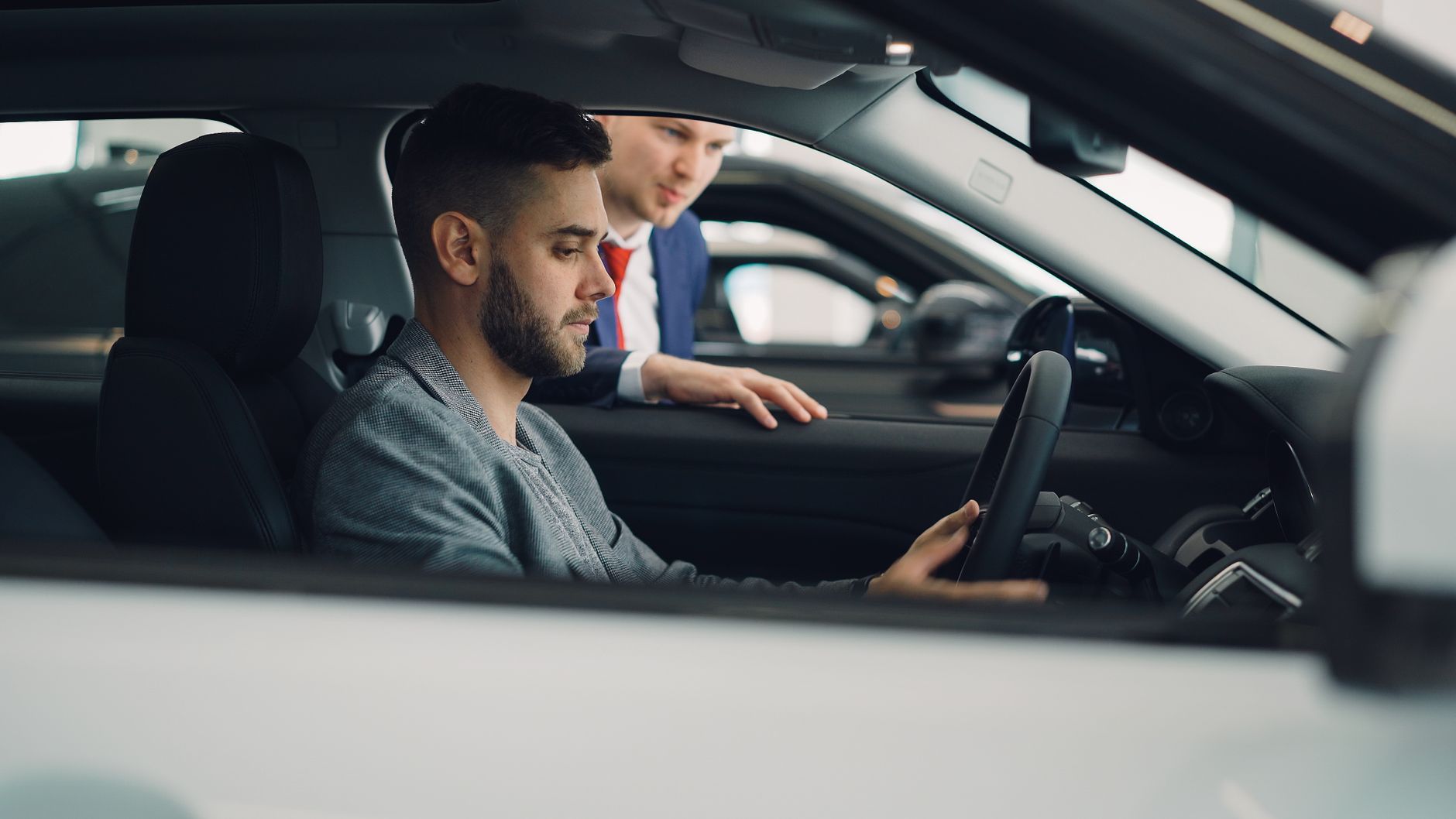
Calm isn't a decision you make at 10:55
People treat nerves as the villain. Nerves are real, but they're a symptom. The candidate who's done the manoeuvre two hundred times isn't calm because they decided to be. They're calm because their hands know the job without them. Calm is the by-product of practice. It is not a tip.
The technical faults that actually do it
Rolling through a stop line. Crossing your hands on the wheel. A signal switched on mid-turn. Clipping a kerb on the reverse. None of them dramatic. All of them the kind of thing a tester marks without blinking. Most fails are a small pile of these, not one big disaster.
Read the signs like you mean it
Know the signs cold, practise on roads you don't know so reading them is reflex, and treat the test route like any other road. The candidate who only practised near home is the one who freezes at an unfamiliar junction.
Observation is a habit, not a performance
Check mirrors before every decision, not just when you feel watched. Scan well ahead, not at the bonnet. Take a proper look at junctions instead of the theatrical head-swivel people do for the tester's benefit. A tester can tell a real check from a performed one at twenty paces.
Know the car before you sit in for the test
Fumbling for the rear demister, stalling because you never learned the bite point properly, hunting for a gear. If you're thinking about the controls, you're not thinking about the road, and it shows. This is exactly why a manoeuvre like parallel parking catches people: they practised the steps but never made the car second nature.
When something unexpected happens
A cyclist wobbles out. A light changes early. The route throws a road closure. The test isn't checking whether the unexpected happens. It's checking whether you respond like a safe driver or a startled one. Slow down, look, decide, act. Panic is the only wrong answer.
The documents nobody remembers until the door
Turning up without your learner permit, or with one that expired a fortnight ago, ends the test before it starts. Check the expiry the week before. Lay out permit, glasses if you wear them, and the car's paperwork the night before. Make a two-line checklist. It's the cheapest fail to avoid.
Laugh at the stories all you like. Then go and check that none of the quiet habits behind them are yours.