Driving Guide
Parallel Parking: What the Tester Actually Marks
Essential Driver Training, pretest preparation and beginner-friendly lessons across Dublin.
A tester marking a parallel park is not grading how neat it looks. They are grading whether it was safe, controlled and properly observed. You can finish a hand's width from the kerb and still lose the mark, and you can take two attempts and keep every mark. Once you know what is actually on the sheet, you practise a different thing, and the right one.
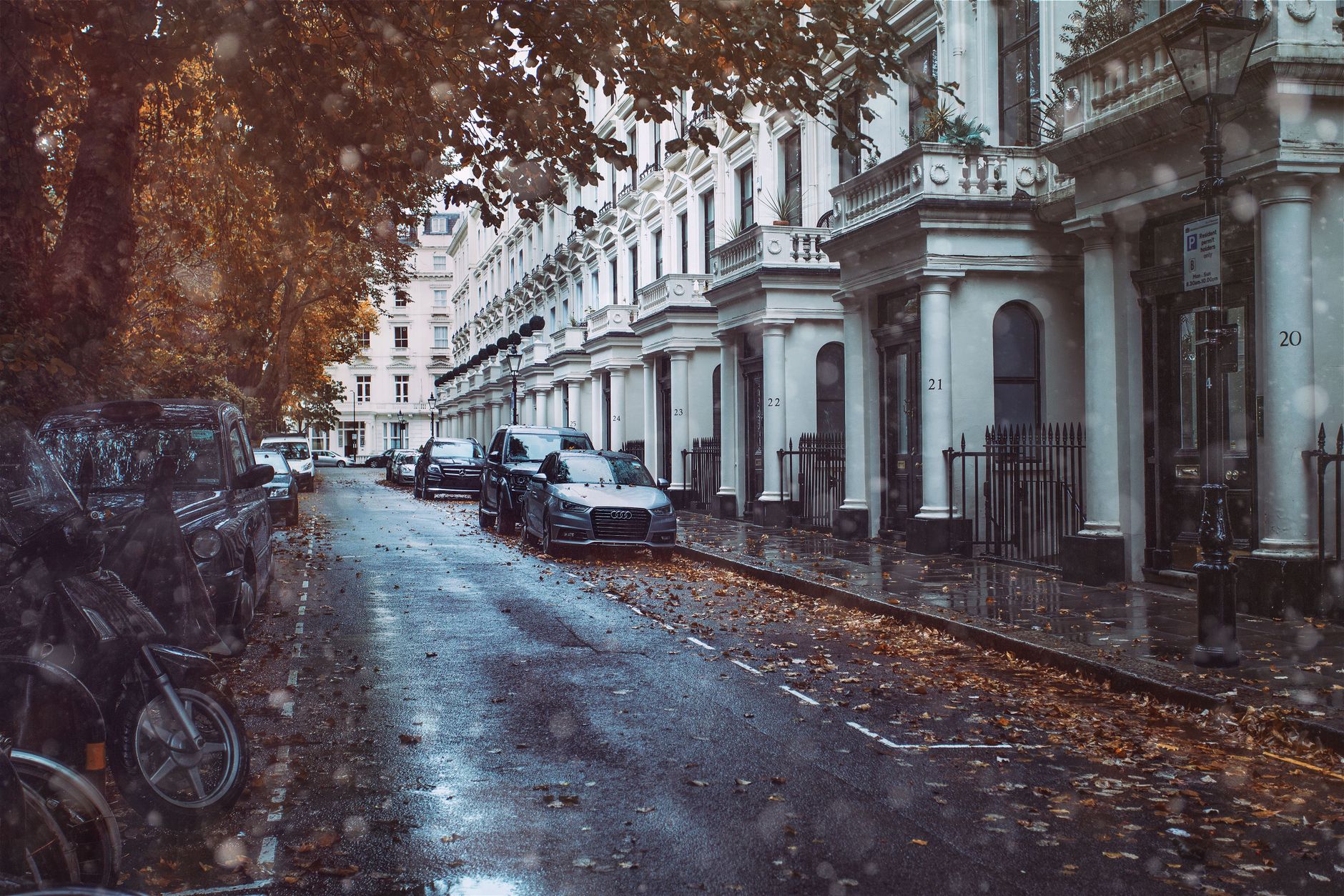
What earns the mark, and what loses it
The mark is for control and awareness, not for a flawless line first go. What loses it is the serious stuff: swinging out without looking, mounting the kerb, finishing so far out that you block the lane, or making another road user stop or swerve for you. Those are the faults that cost the test. Ending a touch further from the kerb than you would like, then calmly correcting, is not one of them. This is one of the avoidable faults that costs people a test purely because nobody ever told them what was being graded.
The observations that are actually being watched
Before the car moves an inch, the tester wants to see you look. Mirrors first, then the blind spot over your shoulder, because you are about to reverse out into the road. A specific glance down the left for anyone coming up on a bike. These observations carry more weight than the tidiness of the finish, and they are the first thing most people drop under pressure. Do you know why they matter, or do you just know to do them? They matter because reversing blind is how the manoeuvre hurts somebody.
The manoeuvre, kept inside the standard
Pull up level with the car in front of the gap, about half a metre out, and stop. You want roughly a car and a half of length to work with. Then:
- Reverse slowly until your back seat is level with the rear of the car beside you, then full lock towards the kerb.
- Keep coming back until the far kerb shows in your door mirror at about forty-five degrees.
- Straighten the wheel and continue until the car sits parallel with the kerb.
- A touch of opposite lock to bring the front in, then straighten and check your distance.
Keep the car barely moving and let the wheel do the work. Slow feet read as control on the sheet. Rushed feet read as luck, and luck is not what is being marked.
Misjudging the space, so you begin too close or too far out. Turning the wheel while the car is stopped, which the tester notices and your tyres hate. Oversteering in a panic when the line is not coming. If it is going wrong, stop, pull forward, and reset. Nobody is failed for calmly taking a second go. People are failed for forcing a bad one.
Practise against the standard, not the car park
An empty bay teaches you the wheel-turns and nothing else. It does not teach you the bus waiting behind you at eleven on a Wednesday, which is exactly the pressure the tester is checking you can handle. Once the basics are in, practise on quiet real streets with parked cars so that the observations and the patience are already yours on the day. Competent under pressure, or not yet. That is the line the mark sits on.